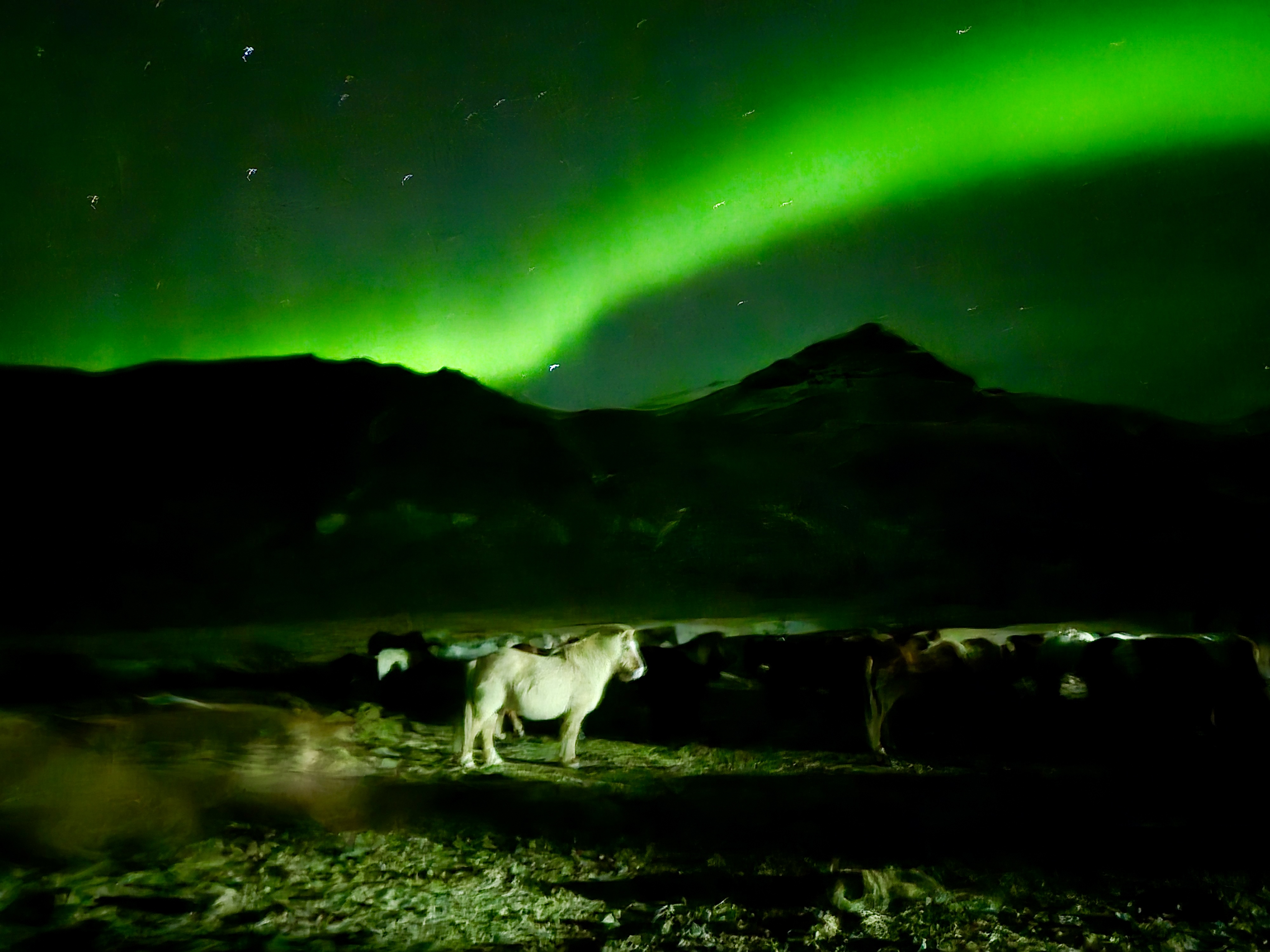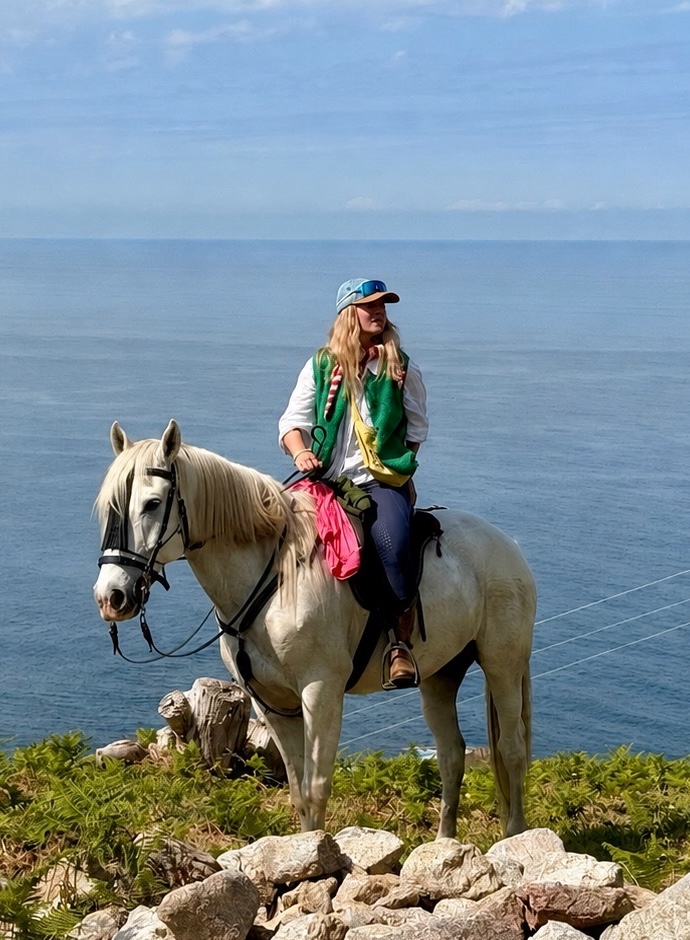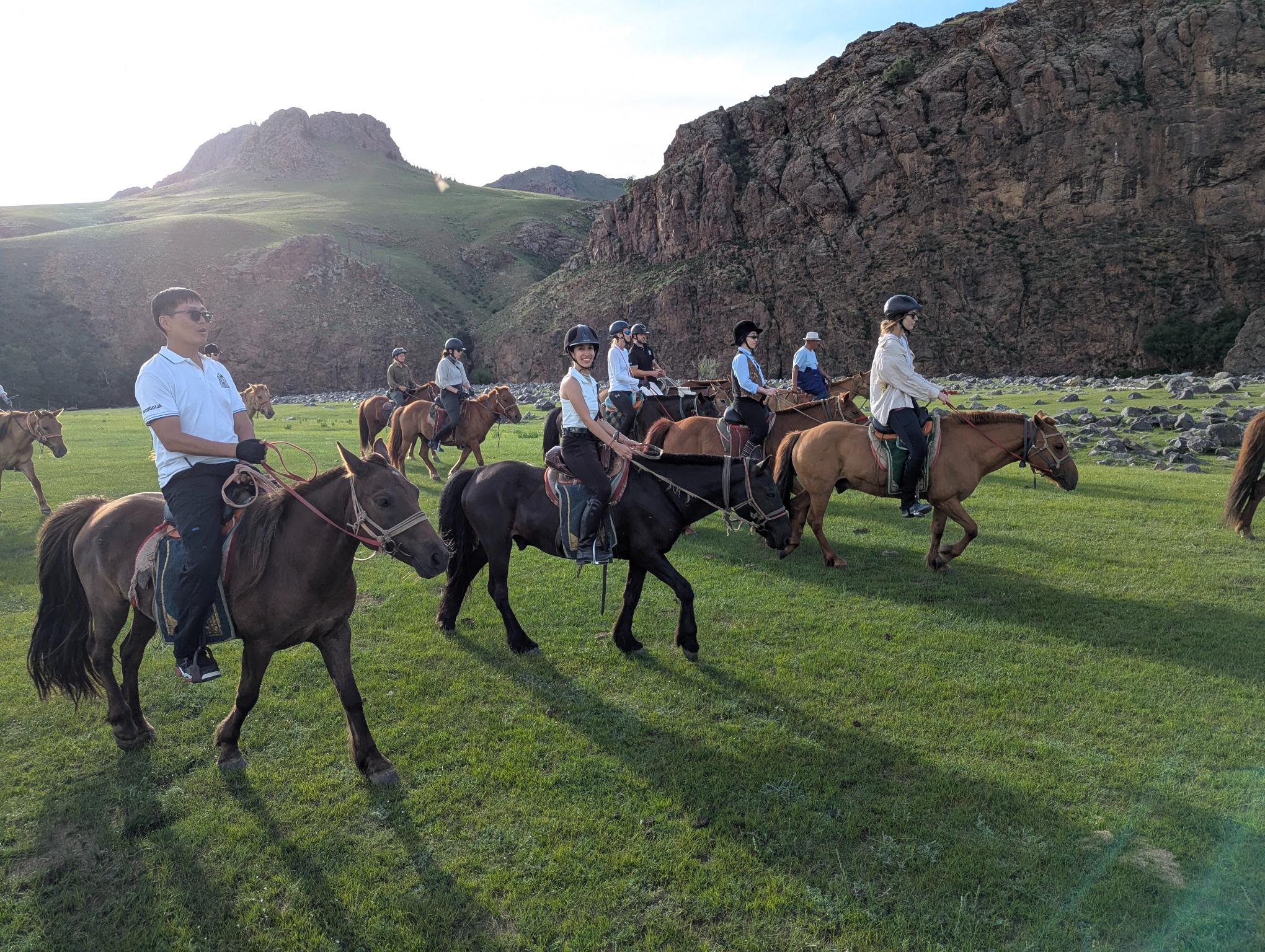
Last summer, I travelled to Mongolia for the first time and it completely lived up to everything I had imagined, and more. It’s hard to properly explain the feeling of it. The scale, the silence, the way the land stretches endlessly in every direction. And then, of course, the horses - small, tough, and completely at home in a landscape that still belongs to them. So in a couple months, we’re going back! But this time, instead of one trip, we’re running two, and we still have a few spaces available. One follows a similar route to last year’s ride through the Orkhon Valley, which you may already have read up on. The other is something new, a more remote, more rugged journey into the Eight Lakes region. Both offer that same sense of freedom Mongolia is known for, just in slightly different ways.
Written by Hanna Rogers
Book your Hooves Around Mongolia trip here!
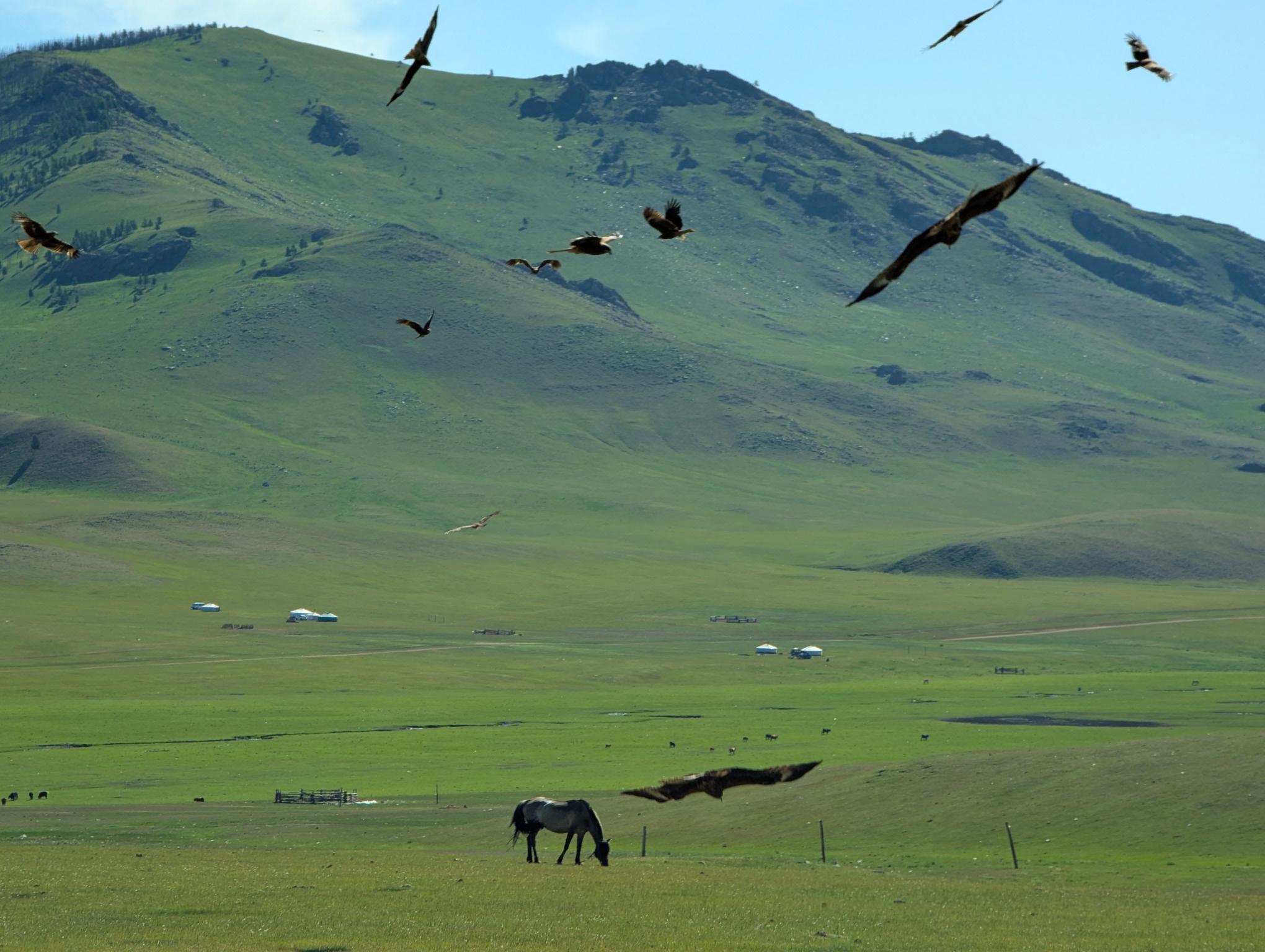
This is the ride that feels like a true introduction to Mongolia. The journey starts early, leaving Ulaanbaatar behind as the scenery shifts quickly from city to open countryside. It’s a long drive out (around five to six hours) but it’s part of the experience. You watch the landscape change in real time, and by the time you reach Kharakhorin, you already feel a long way from anywhere familiar.
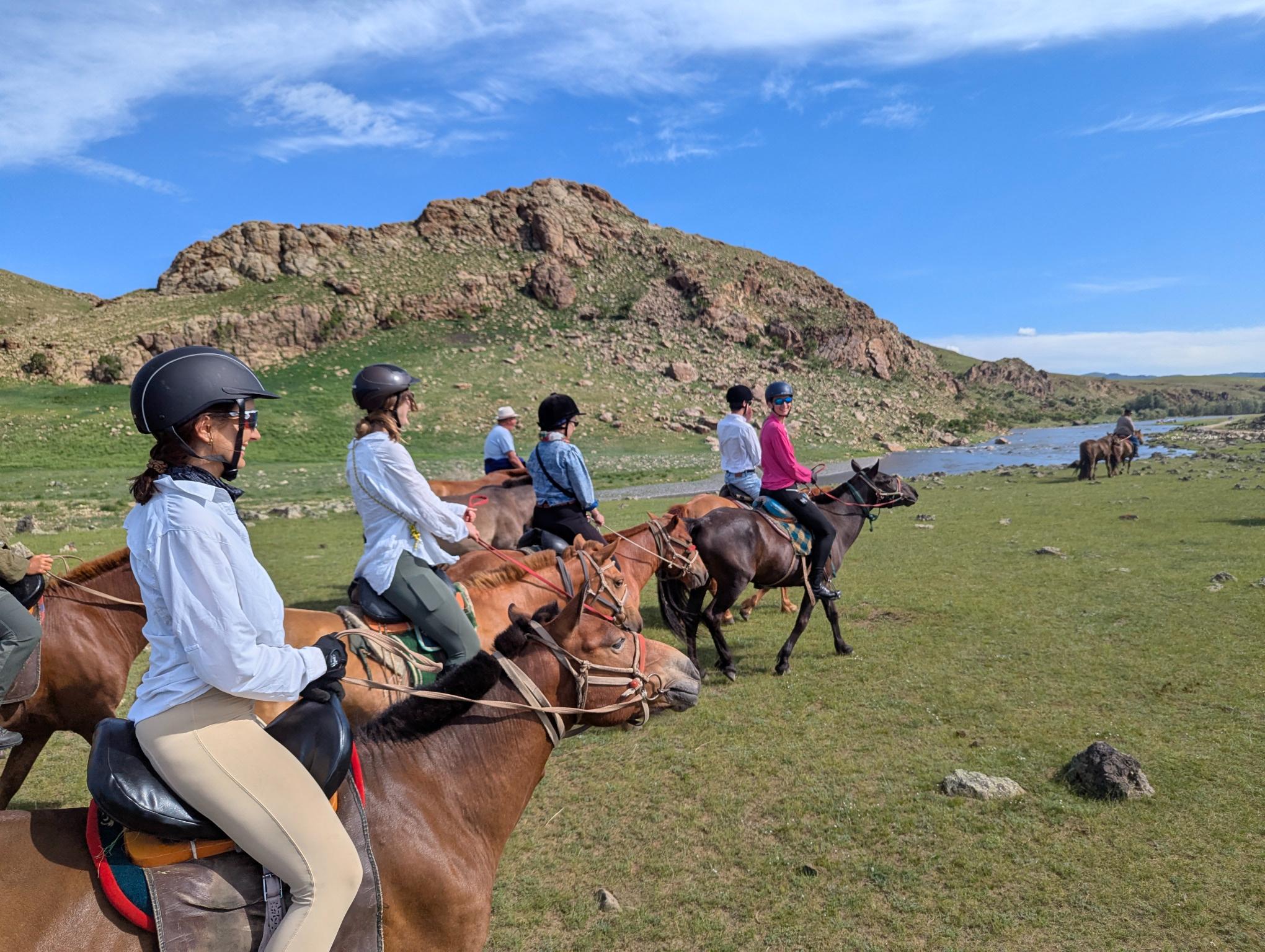
From there, things slow down. You meet the horses, settle into life with your nomadic hosts, and the rhythm of the trip begins to take shape. Days are spent in the saddle for five to seven hours, riding approx 25km - 35km a day, covering real ground across the valley, riding along riverbanks, across wide plains, and into forested hills.
There’s a huge variety to this ride. One day you’re cantering across open steppe, the next you’re climbing towards monasteries hidden in the mountains. You’ll visit places like the Orkhon Waterfall, ride through UNESCO-listed landscapes, and camp in areas where there’s little-no sign of modern life.
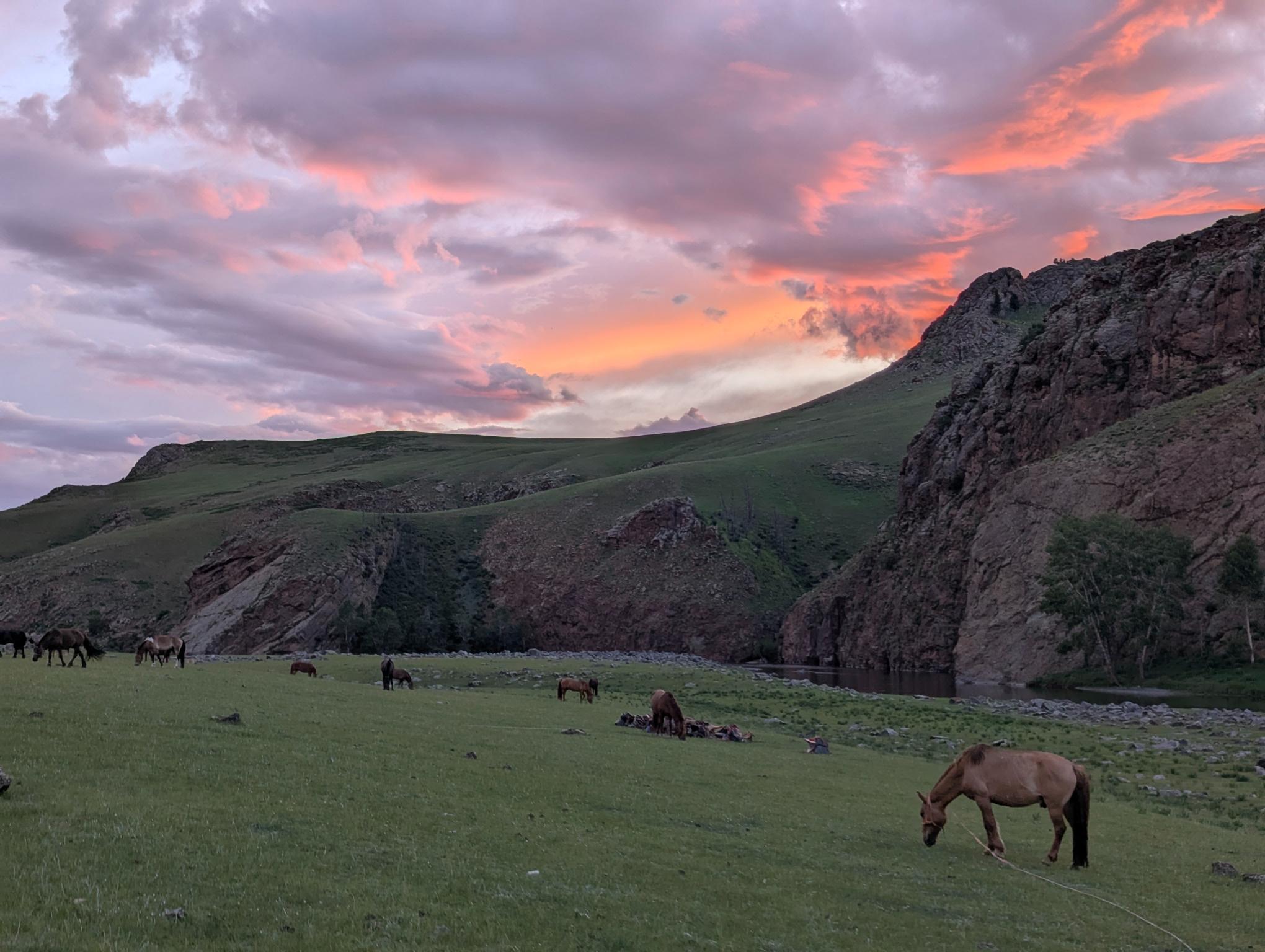
Evenings are simple and soon fall into a routine - tents go up, food gets prepared, stories get shared as the sun sets and the night sky pulls over with a blanket of stars. It’s not polished, and that’s exactly the point. This ride is about experiencing Mongolia as it is — open, raw, and deeply connected to its nomadic roots.
The second trip heads further off-grid. It begins in a similar way — the same journey out of the city, the same sense of gradually leaving the modern world behind — but once you reach the valley and set off on horseback, it quickly becomes something quite different.
The Eight Lakes region sits deep within volcanic terrain, surrounded by forests, lava fields, and high mountain passes. It’s not somewhere you can easily access by vehicle, which means once you’re in, you’re properly out there.
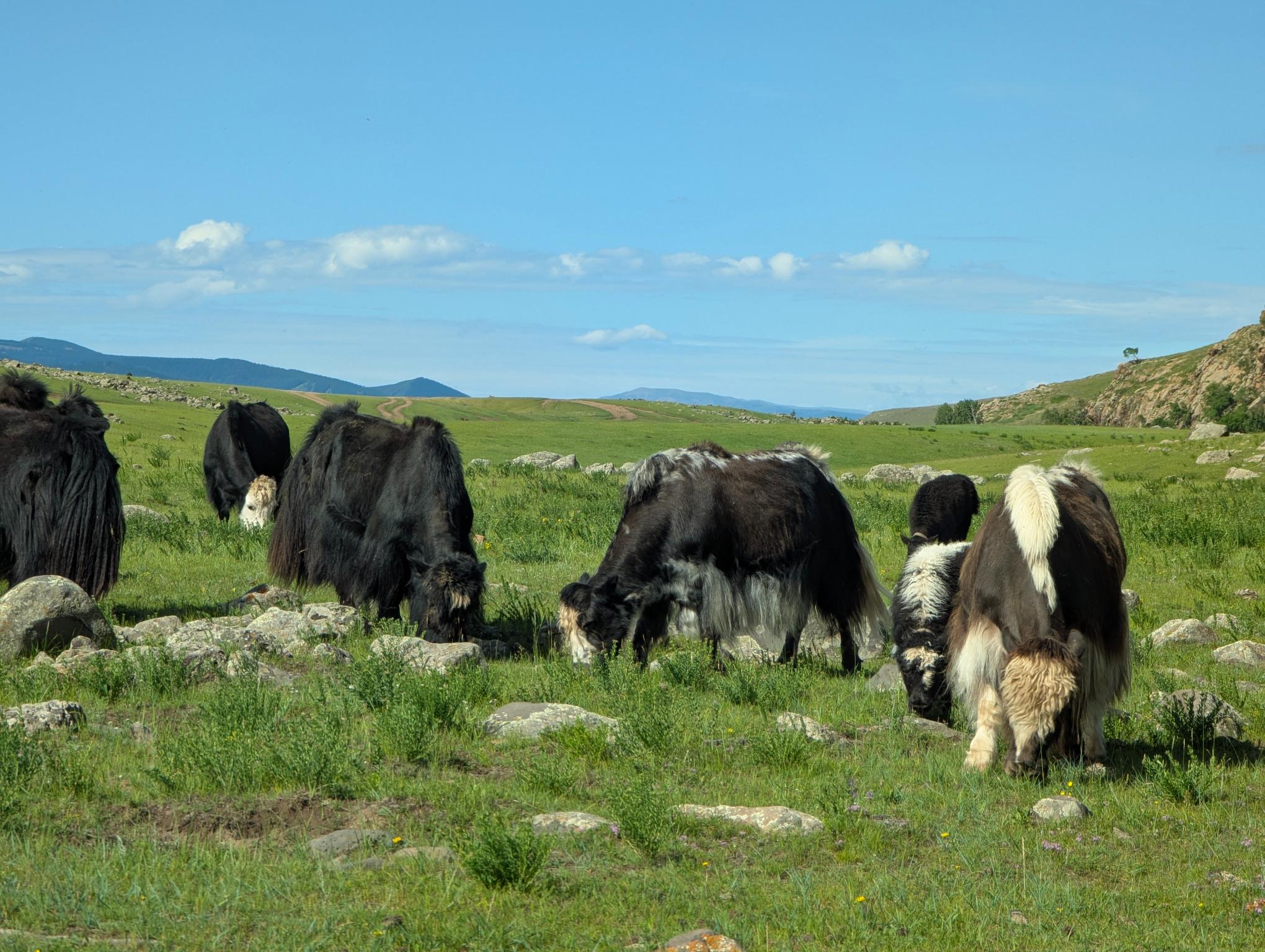
This ride has more of an expedition feel. We travel with pack yaks — carrying our equipment, and parts of the route are not vehicle-supported. You move through the landscape the traditional way, following trails that wind through forest, open out onto quiet lakes, and climb steadily into higher ground.
The riding itself reflects the terrain. There are sections of open riding, but also more technical stretches — narrow forest paths, uneven volcanic ground, and longer climbs over mountain passes. It’s slower in places, but no less rewarding.
Each day takes you deeper into the region. Lakes appear suddenly between ridge lines, camps are set up in complete stillness, and it’s entirely possible to go a full day without seeing anyone else. It feels remote in a way that’s increasingly rare.
Whichever trip you choose, the day-to-day experience shares the same foundation. You’ll be riding Mongolian horses, and don’t let their size fool you… they’re incredibly tough and used to covering long distances across varied terrain. They’re responsive, forward-going, and happiest out in the open.
Days in the saddle are long, usually five to seven hours, with plenty of opportunities to ride at all paces. Much of the riding takes place across open landscapes, so it’s important to feel confident not just riding, but riding independently and confidently in wide, open terrain.
Accommodation is a mix of wild camping and traditional ger stays. Tents are provided by the team, usually shared between two riders. You’ll just need to bring a sleeping bag and a practical camping airbed. Ger camps are typically shared between four people. They’re colourful and kept cosy with a log burner in the centre.
Meals are simple but filling, prepared by a Mongolian chef who travels with us on the trail, as well as with nomadic families along the way. We’re also able to cater for most dietary requirements. Mongolia is traditionally very meat and dairy heavy, but if you don’t eat either (like myself), you’ll still be well looked after.
And then there’s the pace of life. Things don’t run on strict schedules here. We ride when we’re ready, stop when it makes sense, and eat when the food is prepared. It can take a little adjusting to, but once you settle into it, it becomes one of the most enjoyable parts of the whole experience. So ditch the watch, and enjoy a different pace of life!
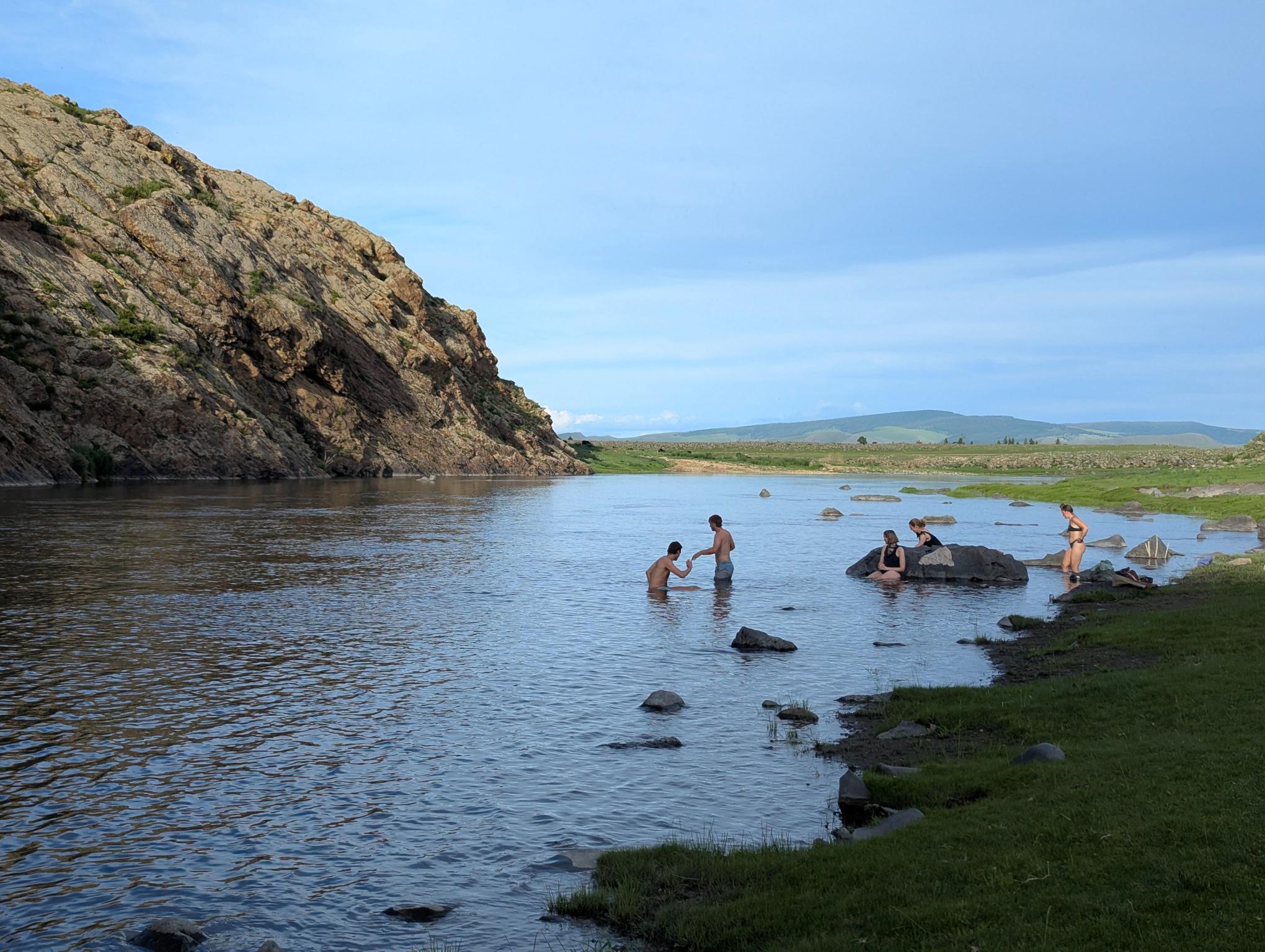
Mongolia is not a luxury riding holiday. Facilities are basic, especially during the riding sections. Showers are limited, weather can change quickly, and once you leave the main towns, there are very few modern conveniences. The drives at the beginning and end of the trip are long. Supplies are picked up early on, and after that, you’re largely reliant on what’s carried with you or provided by your hosts. But this is also where the experience comes into its own. You trade comfort for something far more memorable — space, simplicity, and a genuine connection to the landscape and the people who live in it.
These trips are designed for strong intermediate to experienced riders only.
You need to be:
The horses are well-trained and incredibly capable, but they are forward-going and used to open environments — so a good level of confidence is essential.
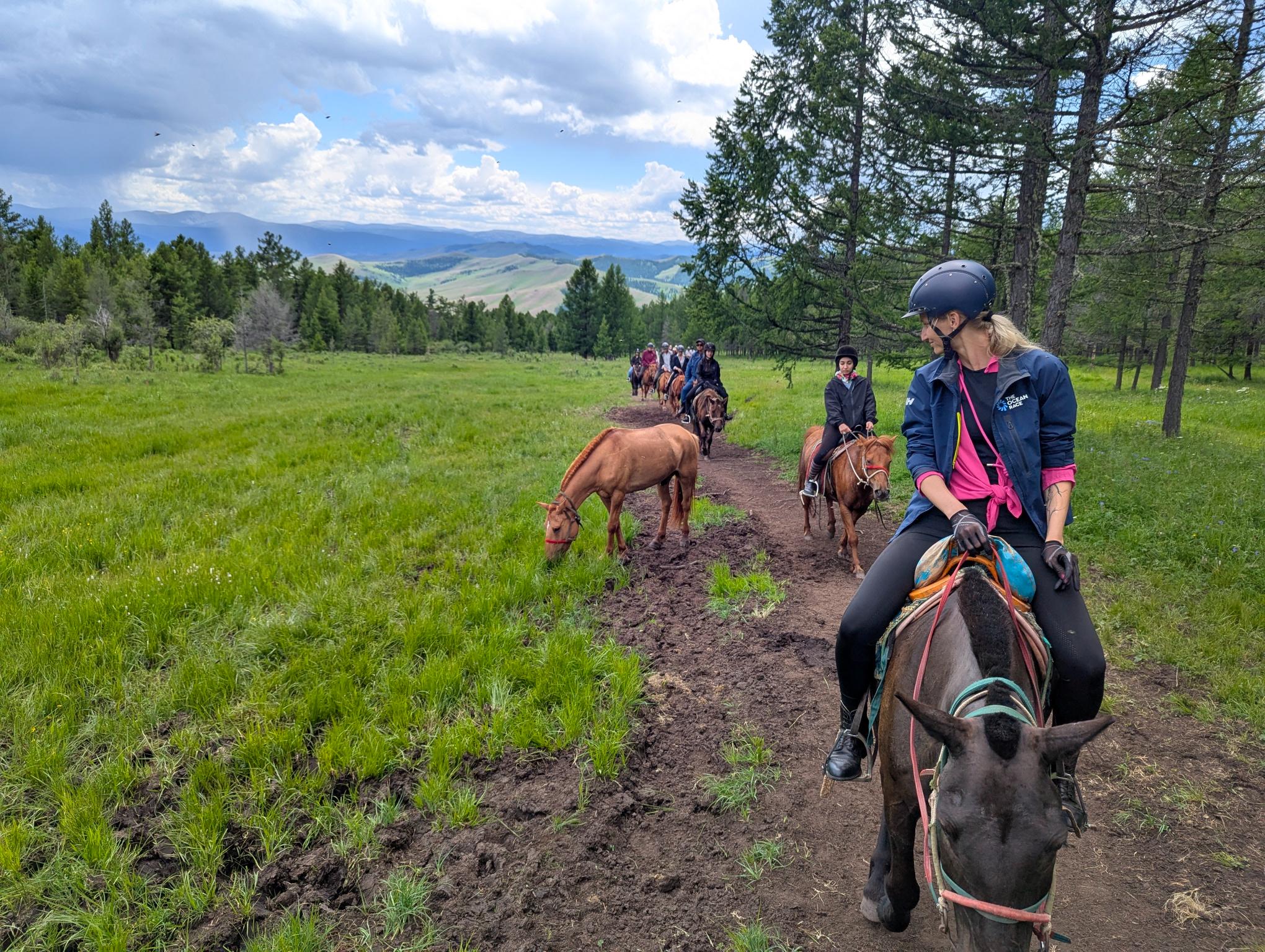
Packing is all about keeping things simple and functional. Layers are key — temperatures can shift quickly between warm days and cold evenings. Waterproof, comfortable riding gear, and a proper sleeping bag will make a big difference.
Travel insurance is essential, and it must cover horse riding and remote locations. Once you’re out in the countryside, you are genuinely far from immediate assistance.
It’s also worth allowing a bit of flexibility around travel days where possible. Mongolia has a way of doing things on its own timeline, and that’s all part of the experience. We get picked up early on the first day from your hotels, so arriving a couple days prior (to help with the jet lag too) is recommended.
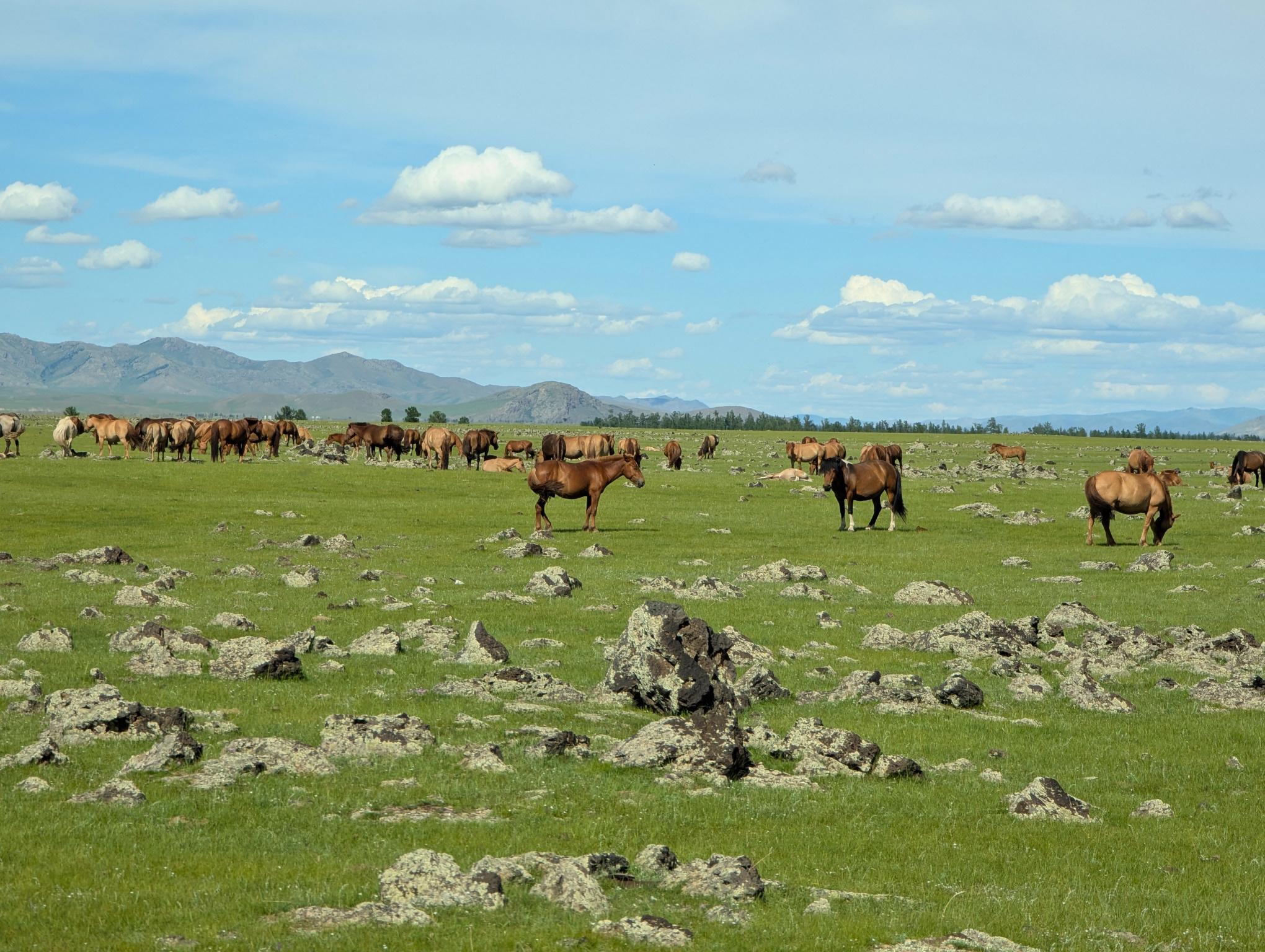
The Orkhon Valley ride is the perfect introduction — varied, immersive, and a balance of riding, culture, and landscape.
The Eight Lakes ride is more remote and demanding. It suits riders who are happy going further off-grid and want something that feels more like an expedition.
Both will take you deep into Mongolia. Just in slightly different ways.
.jpeg)