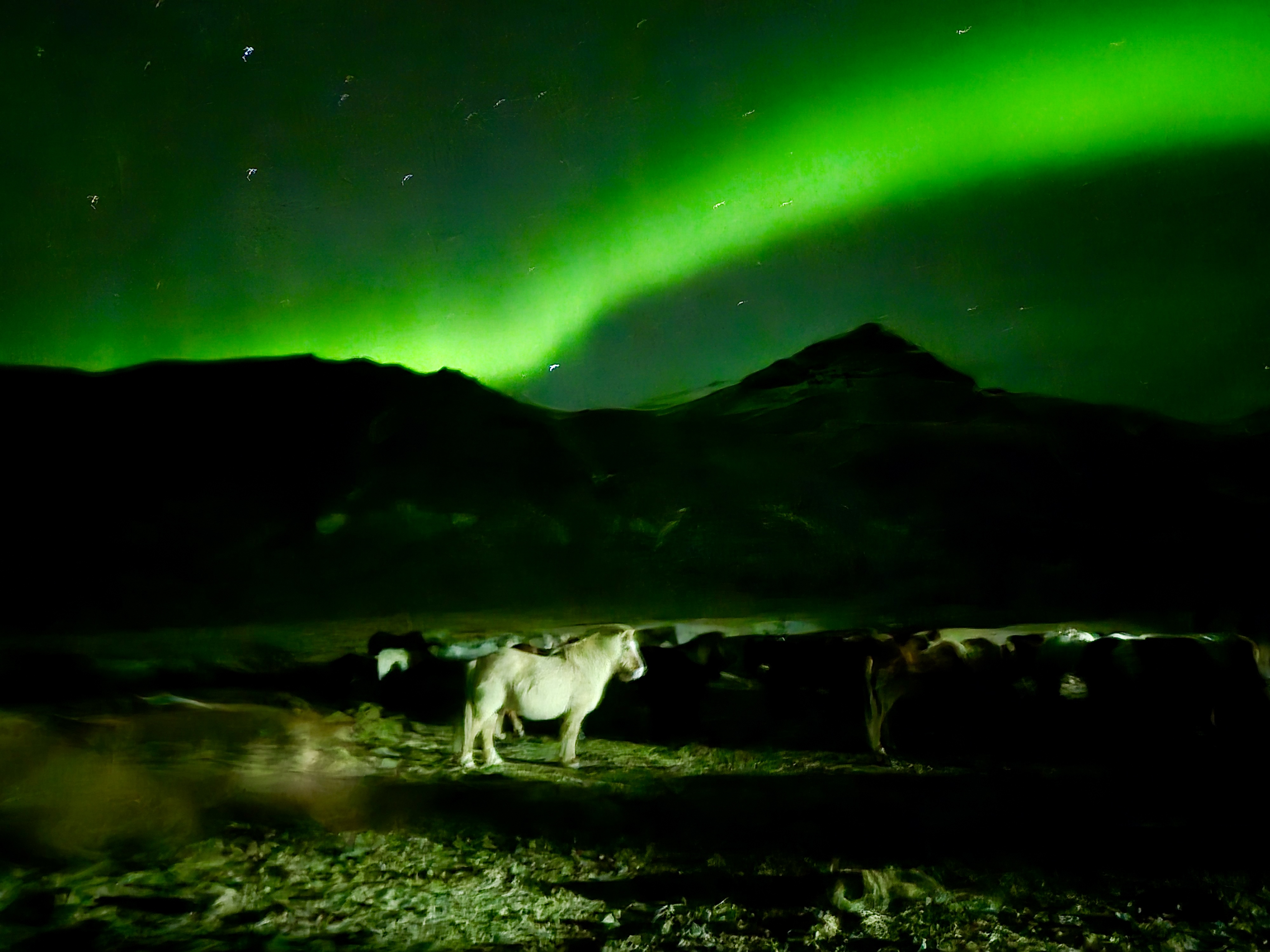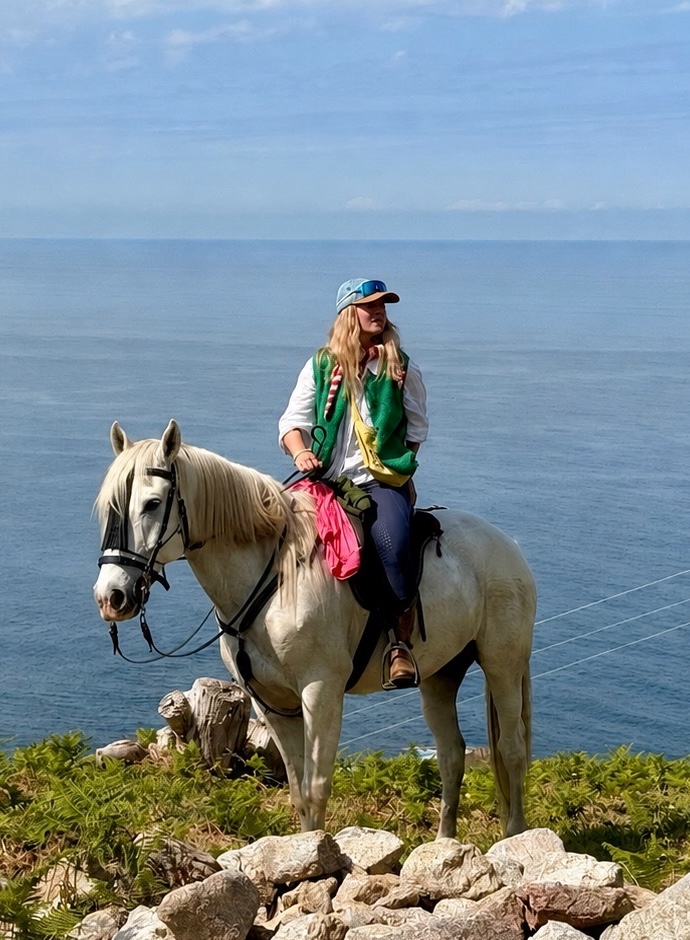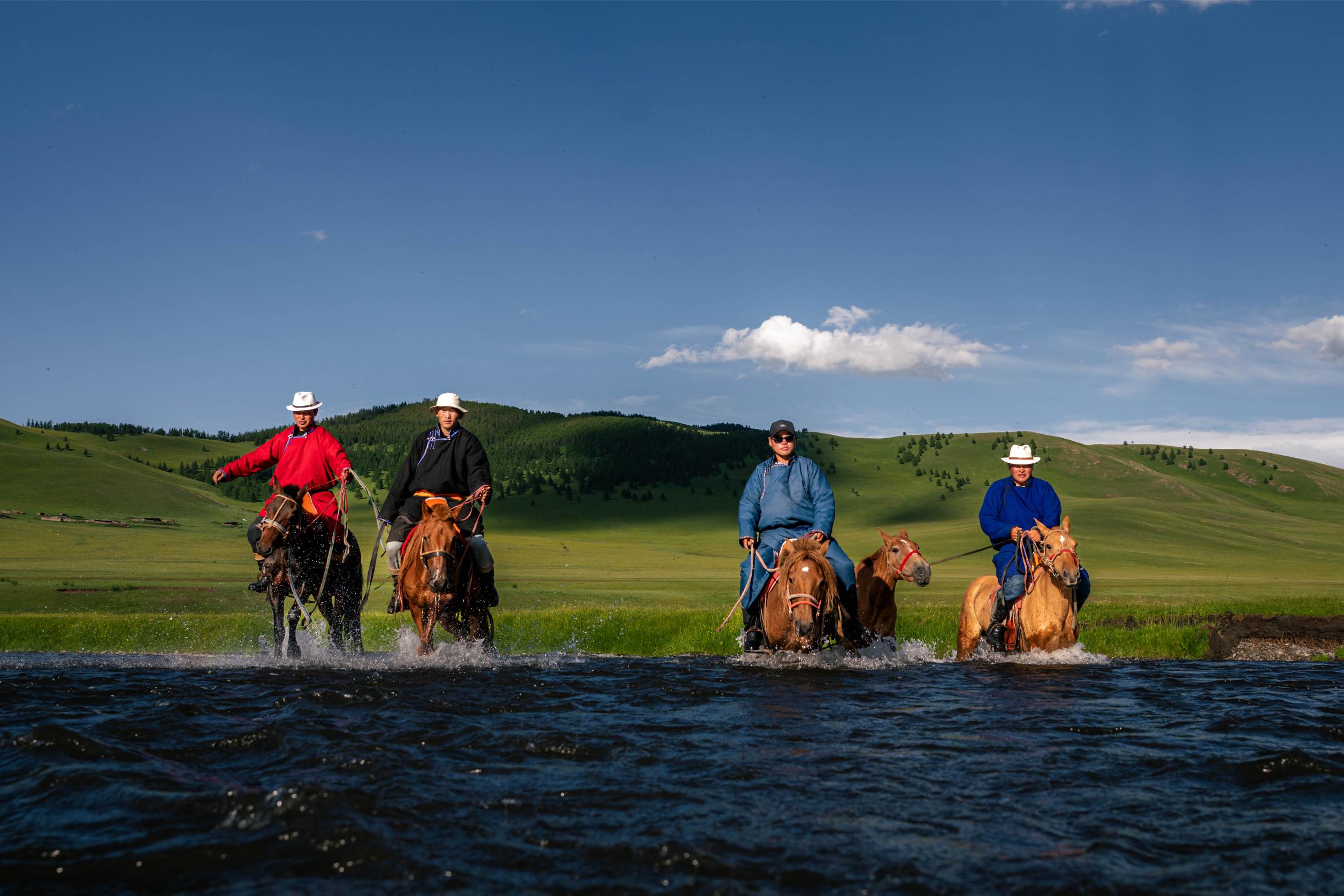
In July, Hooves Around The World touched down in Mongolia for the very first time - and what an adventure it was. Over ten days, we galloped across the open steppe, crossed rivers, climbed forested hills, and lived the nomadic life on hardy Mongolian horses. We rode for six exhilarating riding days, camped under endless skies, soaked in hot springs, celebrated at the Naadam festival*, and hunted for the finest cashmere to bring home. It was raw, real, and completely unlike anything we’ve done before. So let me share with you some of the highlights from this unforgettable trip.
* Our Hooves Around Mongolia 2026 trips do not coincide with Nadaam festival, please have a look at the itinerary to see which other amazing activities we have planned for 2026!
All photos by Stephan @stephan_cab
We were picked up early on the morning of July 4th around 7.30am at our hostels in Ulaanbaatar, some of the group stayed in the Elite Guesthouse recommended by Wild Stride, a nice introduction to meeting each other before the big journey, while others had found hotels in the city, we were a mix of tired and jet-lagged and buzzing with excitement... but all ready for the adventure ahead. We were an international group, with riders from eight countries, Luke and Munkh-Od from Wild Stride, and an incredible crew of two chefs, four drivers, four wranglers, and me (Hanna) from Hooves.
Before leaving the convenience of the city behind and heading deep into the wild, we stopped at a local supermarket to stock up on personal snacks for the days ahead. It was also the perfect opportunity to pick up some gifts for the children and families we would meet along the way in the steppe. Our first destination was the Mini Gobi, where we paused for a quick lunch of sandwiches. We then took a spin on camels across the dunes. The days usually ranged around the mid-20s celsius, and cooled down at night. We immediately felt the heat in the Mini Gobi, so we layered with lightweight long sleeves for sun protection, and I recommend bringing some eco sunscreen too for the back of your hands and back of your neck! Then it was onwards into the heart of the countryside, where the scenery began to change - Gers, horses, and the endless rolling hills of the steppe slowly replaced the city.
Also read: Packing list for your horse riding holiday!
After about seven hours on the road and a handful of stops, we reached the Orkhon Valley Nature Reserve ger camp. Rows of gers were set up across the field, each one sleeping four people, and we still had the comfort of toilets and showers. The gers were painted in traditional ungal designs with bright colours and soft, nature inspired patterns that felt instantly welcoming. A key pattern is khasuur, an interlocking knot symbol for protection and continuity. The art inside was utterly beautiful, and you’ll find each gur faces south, this is to welcome sunlight and good energy into the home, keeping the harsh northernly winds and bad spirits behind you and aligning with living in balance with the land. After a long first day we slept very well in the warm Gers.

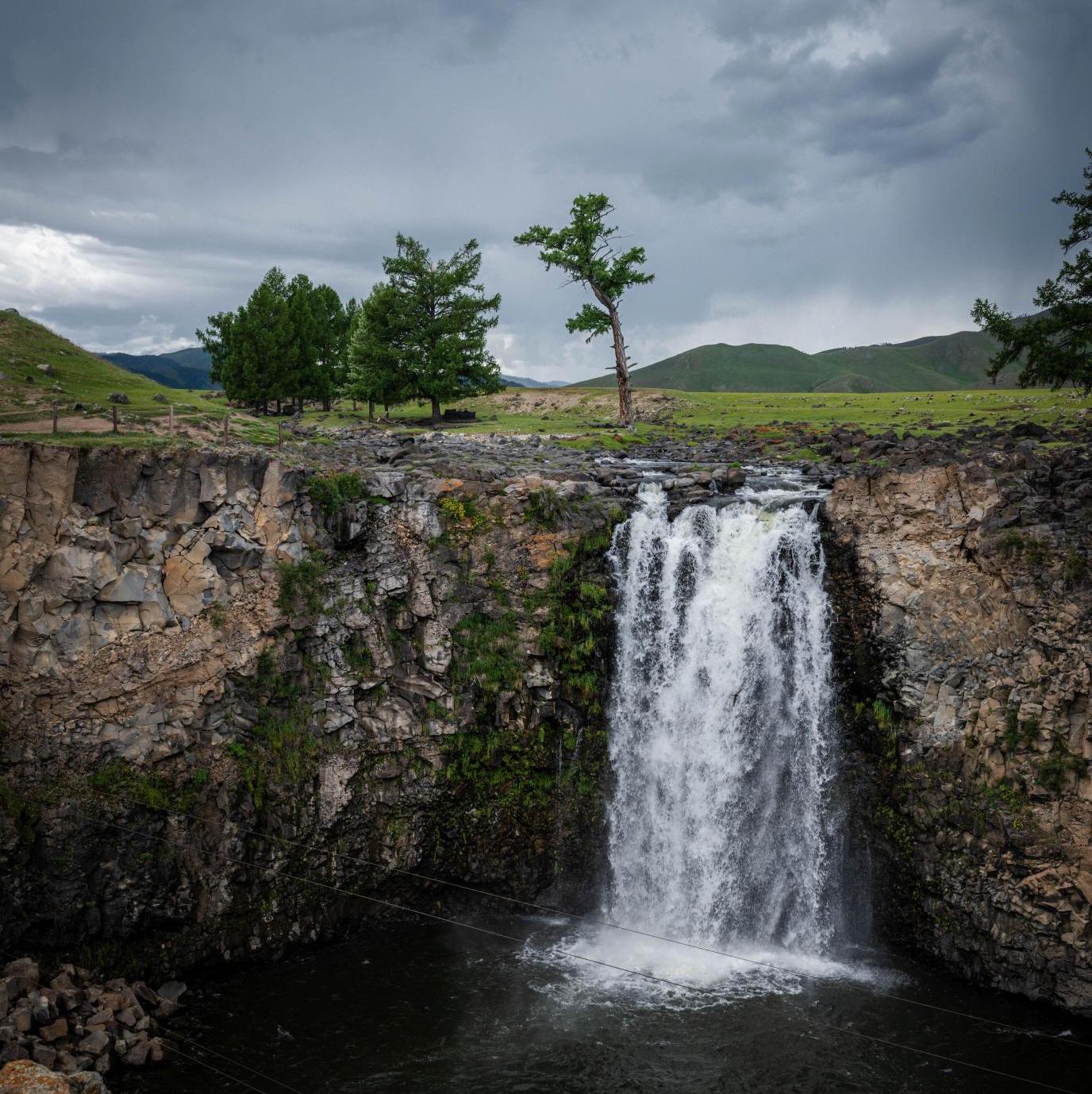
The next morning, the smell of eggs woke the sleepy travellers. After fuelling ourselves we set off to meet the horses and made a short stop at a beautiful canyon waterfall hidden below the ground. We scrambled down a well-trodden trail and wandered through a small forest before arriving at the foot of the fall. It was the perfect spot for a cold plunge. After the brave had their swim, we walked back up and made our way to the home of one of our wranglers – Tseegii (Ziggy) where we were treated to a traditional Mongolian BBQ called Khorkhog and were invited to try a variety of local cheeses made from yak, horse, and cow milk... each with its own unique flavour. We were also offered a taste of Airag, the fermented mare’s milk that’s a staple of nomadic life. As it was still early in the season, it hadn’t had time to ferment fully, so instead of the stronger vodka-like version served later in summer, we had a lighter, wine-like variation.
One of the first things you notice in Mongolia, beyond the vastness of the land, is the absence of time as we know it. The Mongolian language traditionally didn’t even have words for “hour” or “minute.” Things happen when they happen. Meals appear when they’re ready, the herd moves when it’s time, and rides begin when the horses and wranglers feel the moment is right. It was a beautifully freeing shift, once we let go of the need to measure our days in digits. (But do not panic. There is still structure to the day, and you will not end up eating in the middle of the night. Once you stop tracking time so closely you simply fall into the natural rhythm of the land.)
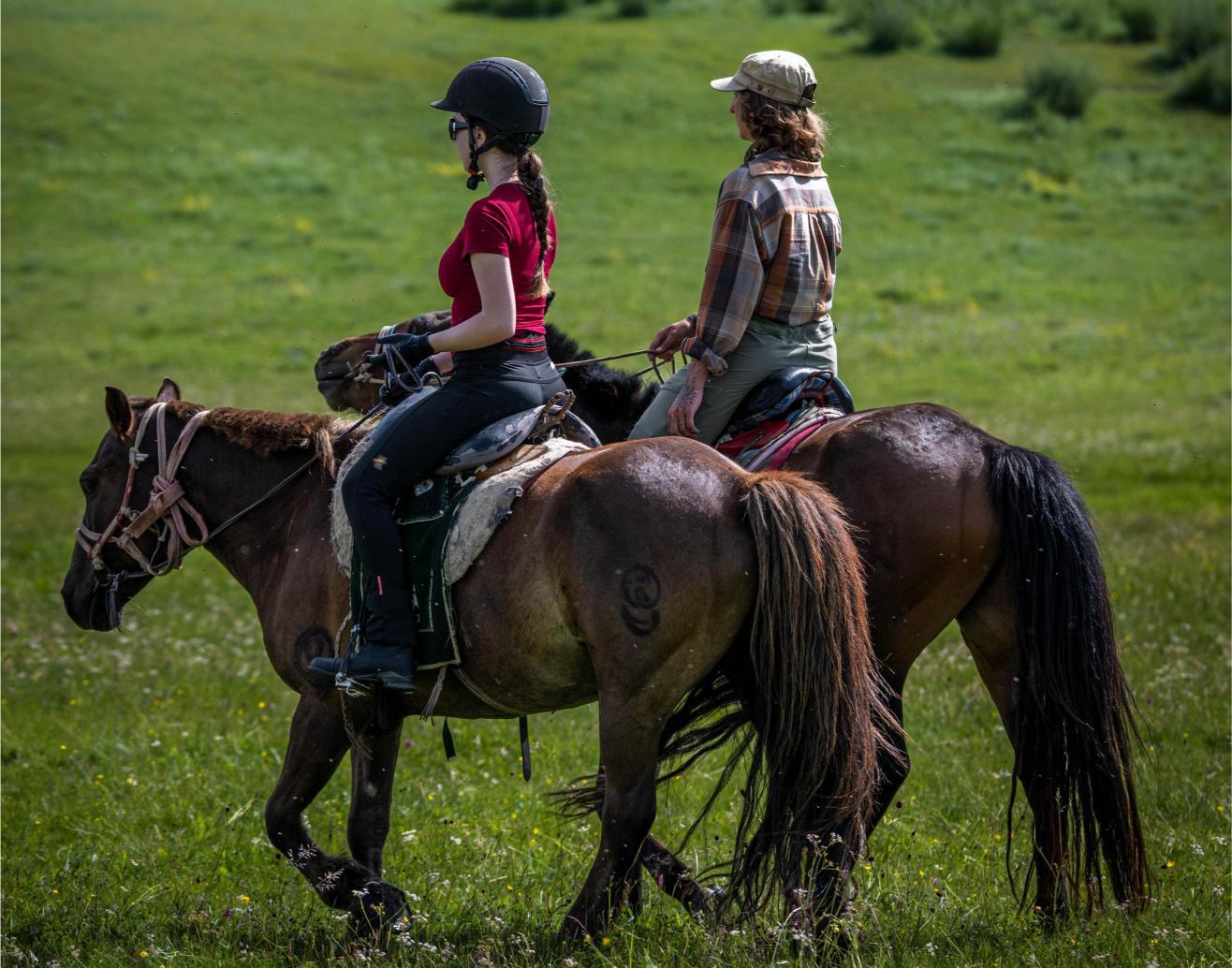
Meeting the horses was our first real taste of Mongolian steppe life. These tough little steeds spend most of the year living wild, roaming freely from October to June and are only gathered for riding in the summer months. Despite that, they were calm, willing, and easy to get on, with surefooted confidence that comes from a life outdoors. The wranglers paired each of us with a horse that suited our experience, some gentle and steady, others with a bit more spark. They may be small, (averaging between 12hh-14hh) but Mongolian horses are built for endurance, adventure, and heart. We were in very good hooves!
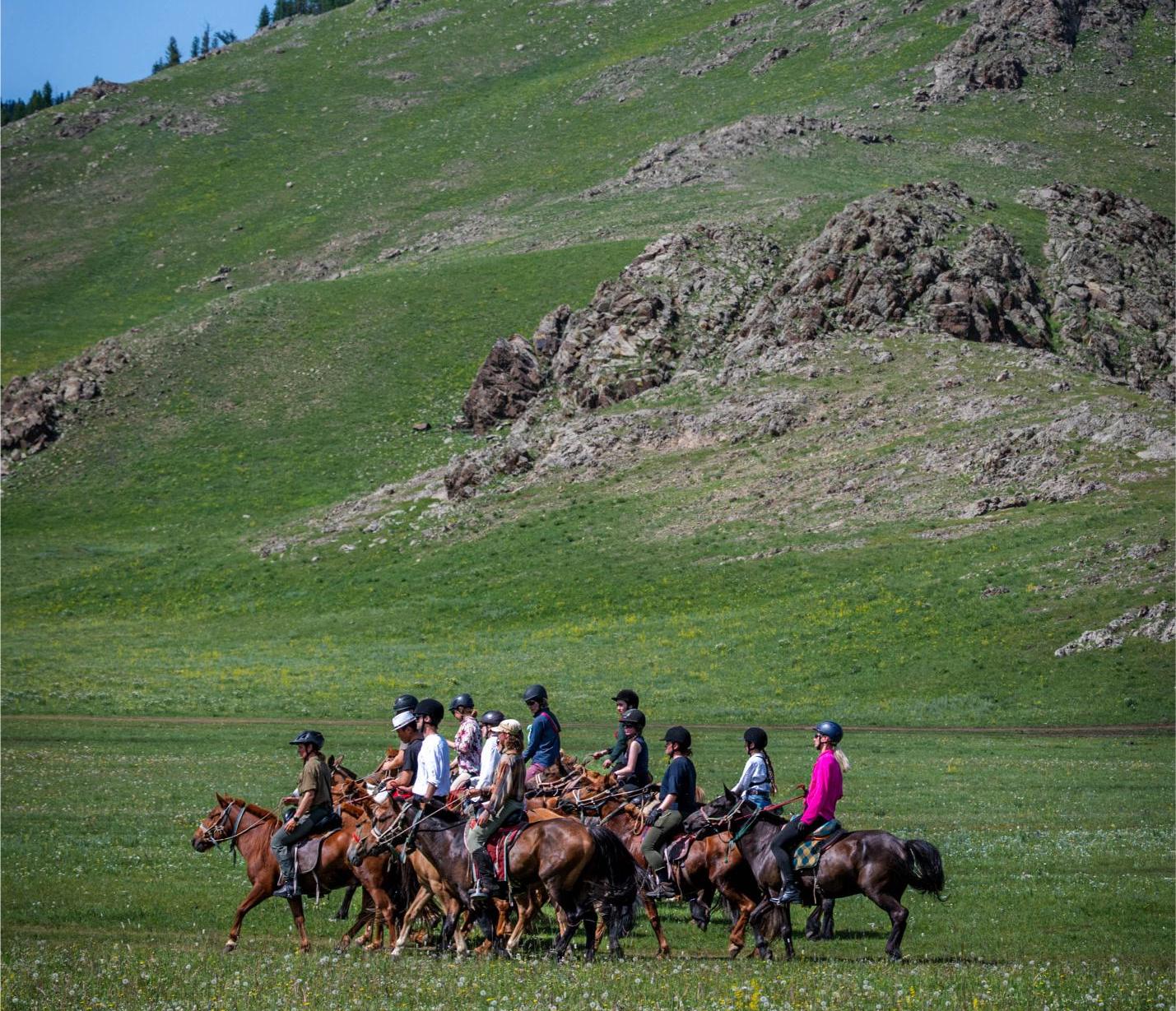
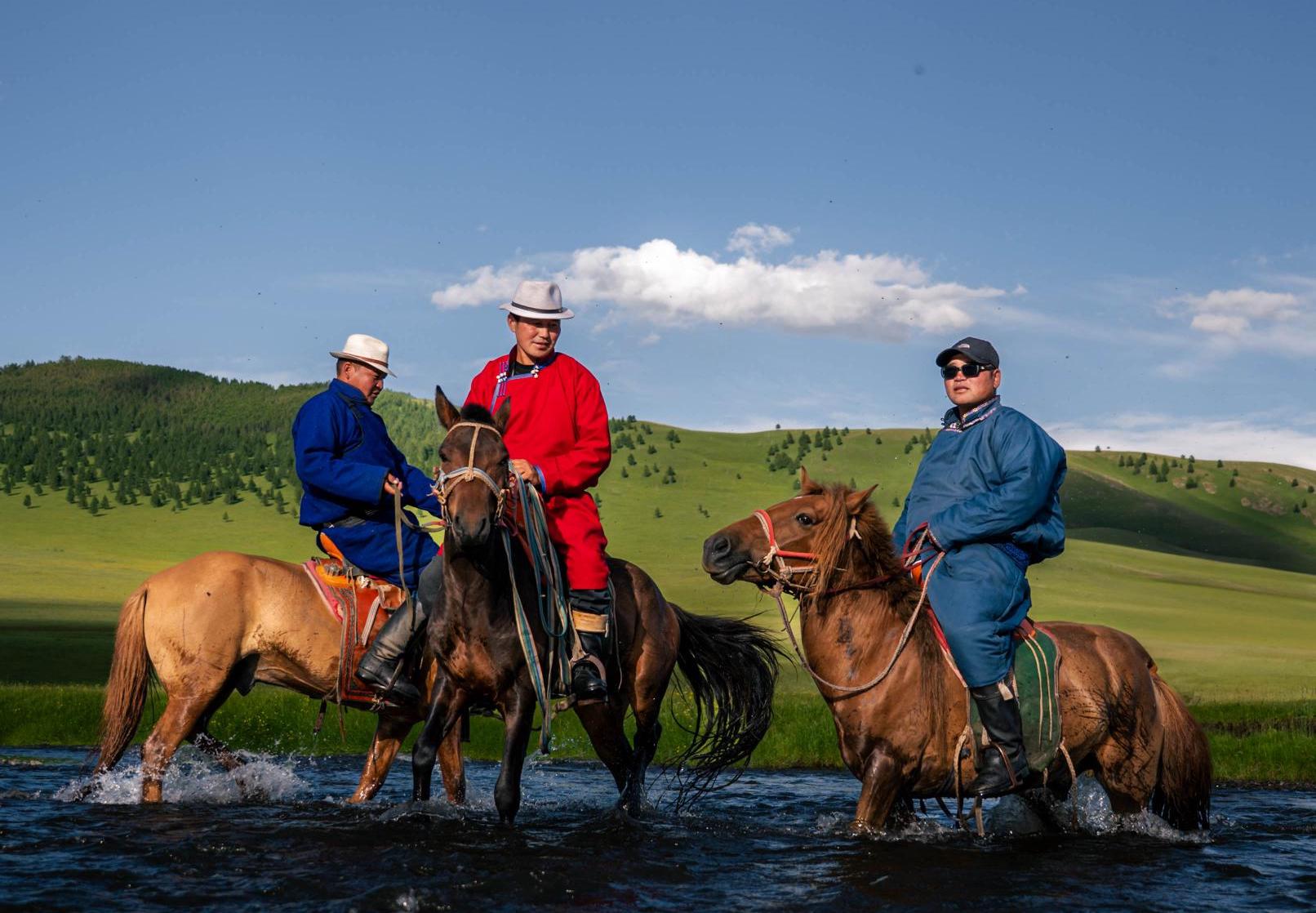
We had four support vehicles that transported our luggage, food and camping equipment. Making travelling for the little Mongolian horses much easier! We started our first riding day gently, giving both horses and riders a chance to settle in and get to know each other. We had horses from four different herds, and the herders who owned them were also our guides for the week — Tseegii (Ziggy), Byambaa (Gamba), Tumee (Tomae), and Lkhagvaa (Wednesday). Lkhagvaa as well as Munkh-Od from Wild Stride both speak excellent English which helped in making communication easy and bridge the gap between cultures.
After 2hrs of riding we reached our first camp by a winding river, and most of us headed straight for the water before the sun disappeared behind the hills. Candy floss skies stretched above us while the smell of dinner drifted through camp and our horses grazed nearby. We set up our tents, provided by Wild Stride with two people sharing each, and sorted out the rest of our own kit… sleeping bags, sleeping mats and whatever comforts we had brought. Later that night, beneath a wide blanket of stars, we sang and toasted together. It felt like the perfect introduction to life on the steppe.
Now perhaps you are already wondering what the toilet situation is when you are camping wild in the steppe. A fair question, and one that comes up a lot. Camping out here is not for the faint-hearted. During the riding week we camp every night, which means our “bathrooms” are open-air and our “showers” are rivers. Their depth depends on recent rainfall and which rivers we happen to be near, but the water is always very clean. Some days you get a refreshing plunge, and other days you are basically washing your face in a puddle and calling it spa day. Glamour isn’t the point of the trip!
If you want to use soap, we provide a camp shower. We can boil water and add it to the shower bag, giving you a proper wash without letting soap run into the rivers. A little touch of luxury in the middle of the wilderness.
Flushing toilets do not exist in the wild camp setup either. We are quite literally in open fields. So yes, be prepared for wild wee’s. We also dig proper holes and set up a little privacy toilet tent, so you are not baring your soul to the entire steppe.
At the Gers we stay in along the route, there may be toilets and showers, although that is never guaranteed. So yes, wild camping is far from luxury... but it brings you close to nature, keeps you laughing, and makes even the most awkward moments worth it!
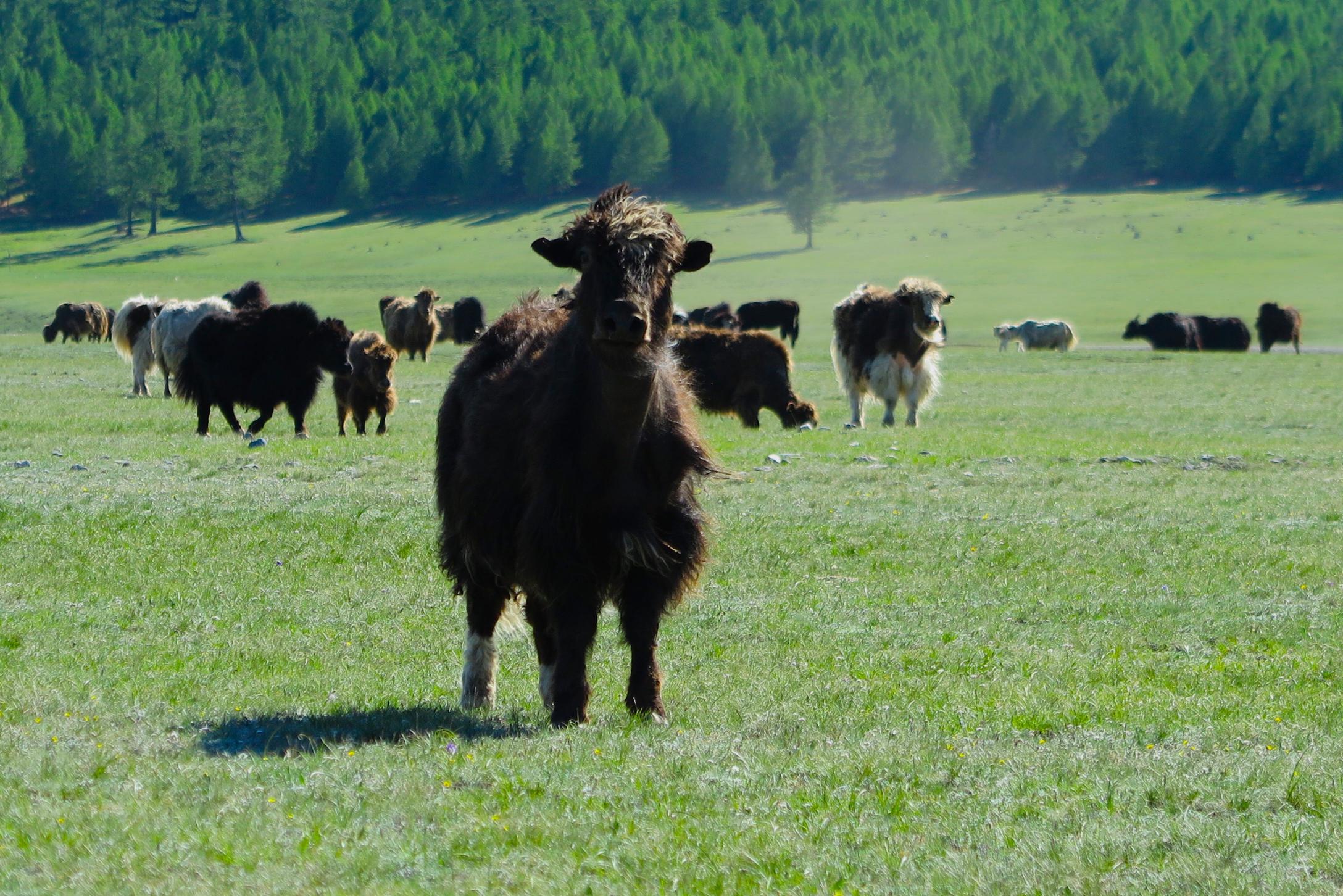
Morning rose and breakfast was usually around 8am... simple and comforting, eggs and bread, spreads, cheese and meats, and sometimes cereal or porridge depending on what we could restock along the way. Once the tents were packed down and the vehicles were loaded, a herd of yaks calmly wandered through camp to say hello. I fell in love with them instantly. They have the body of a cow, the fluff of a Highland pony, and the cheerful energy of a happy dog. When they run, their long tails trail behind them like ribbons in the wind. Completely unexpected and completely unforgettable.
As we prepared for our first full riding day, we noticed how attentive and experienced our wranglers were. Each rider was always assisted when mounting or dismounting, with a wrangler holding the horse steady. We were advised to avoid any flapping jackets or dangling water bottles that could startle the horses - who, while strong and surefooted, are not desensitised like many western horses. These are still semi-wild animals, living freely most of the year, and it's a privilege to ride them.
Today brought our first big river crossing and a few good canters across the wide steppe. The horses were fantastic, full of energy and heart with smiles from everyone atop them. It’s easy to see why this landscape is legendary for fast riding. The open fields stretch on forever, tempting you to gallop from one horizon to the next.
But it’s also worth knowing that while the scenery may look like an endless racetrack, this journey is about much more than speed. The steppe hides its own challenges, from marmot holes to uneven ground — and our horses are working hard too, carrying us across many kilometres' day after day. Our wranglers carefully manage the pace so we can ride safely, enjoy the moments that are perfect for a good gallop, and ensure both riders and horses stay fresh for the whole journey.
Out here, we’re far from cities and hospitals, so our safety is taken seriously. While our guides and first-aiders are always prepared, the more remote we ride, the more important it becomes to ride thoughtfully and as a team. And that’s what makes the experience so special... this isn’t just a ride, it’s a shared adventure with horses, wranglers, landscapes, and stories you’ll never forget.
That afternoon, as we stopped for lunch, a big rain cloud rolled over. We dived into the vehicles for shelter and waited for it to pass. Thankfully, showers in the steppe tend to be quick, but it’s still a good idea to bring a lightweight waterproof jacket. The support vehicles are always following or nearby, so if you do get caught in a shower while riding, you can stop and put jackets on. Luckily for us, the only times it rained (which I think was just twice!) we weren’t riding and had shelter. Once the rain had passed, we prepared some noodles, guzzled water, and were ready to hop back on our horses.
We rode out of open fields and into winding forest trails with the scent of pine clinging to the cool air as we climbed higher into the Khangai Mountains. Our destination was Tövkhön Monastery, perched at 2,300 metres on a rocky ridge with sweeping views over the Orkhon Valley. It was founded in 1653 by Zanabazar, Mongolia’s first spiritual leader and a celebrated artist, when he was just 14. He used the monastery as a personal retreat - meditating, creating sacred art, and writing Buddhist texts in its quiet halls.
Like many monasteries in Mongolia, Tövkhön was nearly destroyed during the communist purges of the 1930s but has since been lovingly restored. Today, it remains a working monastery, home to practicing monks, and is part of the UNESCO-listed Orkhon Valley Cultural Landscape. The climb to reach it was well worth it, peaceful, powerful, and steeped in centuries of history. After returning from the monastery riding back through the forest, we set up camp in the valley. Evenings quickly fall into a gentle rhythm: pitch the tents, wash ourselves, and by the time that’s done, dinner is ready. There’s always a hearty veggie and meat option, usually with rice, pasta, or noodles. Simple, warm, and filling though we did sneak in some chili sauce for anyone who likes a bit of heat.
As night falls, the steppe comes alive in its own way. Beer flows, music drifts, stories are shared, and above it all stretches a blanket of stars so vast it feels like it could swallow you whole. I don’t know about you, but I always sleep so much better when camping. Waking up to sunlight, fresh air, and the sounds of nature, then watching the sun sink behind the horizon before drifting off to sleep again — it leaves your body buzzing with life. I hope it does the same for you.
After our peaceful evening in the valley beneath Tövkhön Monastery, day four dawned. Life on the steppe slips into its own rhythm. We shared an unhurried breakfast, rode for a few hours, stopped for lunch wherever the landscape invited us, then carried on until the shadows grew long and camp came into view. Most days meant four to six hours in the saddle around 21-30km a day with plenty of breaks and little side quest adventures. Today brought more river crossings and, by the afternoon, fields bursting with wildflowers in every colour imaginable. The steppe stretched endlessly before us, alive with purple, yellow, blue, and white blooms dancing in the breeze.
To make things smoother for both horses and humans, we decided to split into two groups for the day, one for those who preferred a gentler pace, and another for those keen to gallop. We'd learned that galloping all together in a large group could be a bit intense (for everyone involved!), so this gave both horses and riders the space to enjoy the ride in their own rhythm.
We paused often for water breaks for both horses and riders and, by lunchtime, stumbled upon the perfect spot beside a shallow river. Some of us dipped into the water to cool off, while others sprawled in the grass under the shade, soaking up the sun and dozing lightly. Munkh-Od had brought his young son along to experience the wild nomadic life, a stark contrast to city life in Ulaanbaatar. What was absolutely remarkable was how quickly he picked up English. Until meeting our group, he had only ever heard it in shows he’d watched and had never spoken it himself. Within hours, he had transformed into a confident little chatterbox, catching everything we said, joining in with laughter, and keeping us all on our toes (especially Luke and Stephan who he took a fond liking too!)
The afternoon brought more canters through wildflower meadows and a special discovery: an archaeological site perched on a gentle hill. Two friendly young volunteers shared what they had learned while helping with the excavations, bringing the ancient stones and stories vividly to life. This was Shiveet Ulaan, a red‑stone hill and Turkic memorial complex. Ancient stones and carvings have been found of humans (balbals), lions, sheep, and clan symbols dating to around 665–690 CE and sitting at 1,340 m, its red sandstone gives it its name (“Ulaan” = red). It’s a protected cultural monument, and being there, surrounded by history, made the past feel incredibly present.
We decided to camp nearby (as much as we wanted to camp inside the site, being nearby had to do), it wasn’t long before a bunch of the group stripped down into swimwear and refreshed in the very shallow river, barley enough water to cover the body when lying flat on the pebbles ... but enough for those to be silly and have a laugh in.
Splitting into two groups had worked so well the day before that everyone was eager to do it again. The faster group enjoyed thrilling gallops that left us feeling alive and free, while the steadier group savoured a longer, more relaxed ride - perfect for soaking in the breathtaking surroundings at a gentler pace. Riding in smaller groups made things safer and easier to manage for both horses and riders.
By midday, we reached our lunch spot nestled in tall grass sprinkled with wildflowers and waited for the steadier group to catch up. While lunch was being prepared, we passed the time playing volleyball and other games — including a hilarious challenge from Luke involving the “moon in the spoon” that had us all stumped and laughing.
For the second half of the day, the group reunited and marched together through the sweeping steppe toward our final campsite — and it was a crowd favourite. Set beside a fast-flowing river, the deepest we’d seen so far, it was the perfect spot to cool off and celebrate the journey. Clothes were quickly shed, and the late afternoon was spent splashing, swimming, and soaking in the wild joy of the moment. The days were warm and sunny, cooling quickly once the sun sank behind hills. Layers were key, and a splash in the river was the perfect way to refresh.
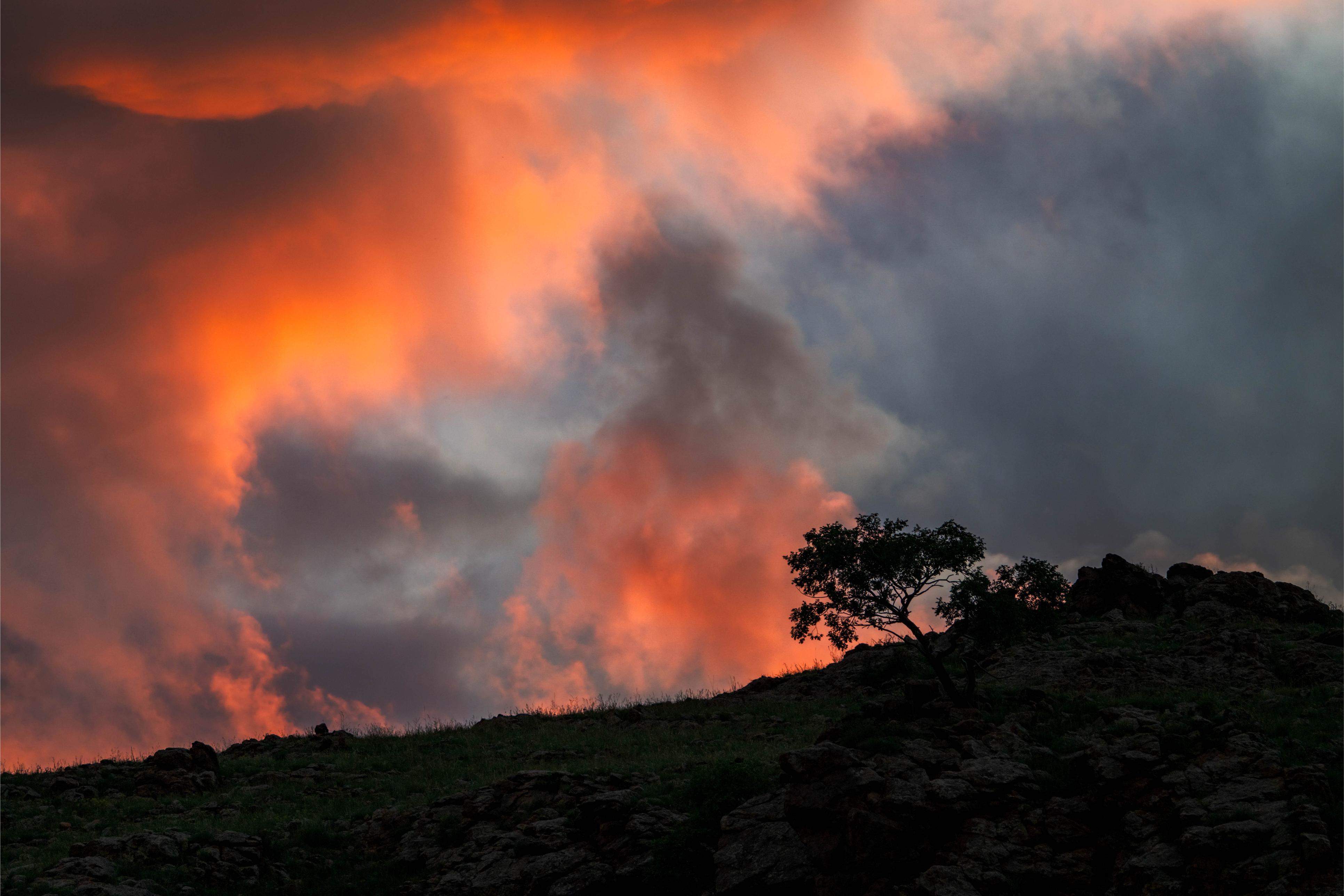
Clouds eventually began to roll in, and the sunlight started to fade, the atmosphere shifted. Thunder cracked overhead, and within minutes, we were caught in the middle of a full-blown storm ... nature’s cinema at its finest. Some of us dove into the van, singing along to music playing from a tiny screen, howling with laughter at the surreal scene. Others huddled under the gazebo, where our incredible cook, Khotloo, kept spirits high with song. As the rain eased and the clouds parted, the sun returned in time to set in blazing colour over the steppe.
When night came, the wranglers mounted up and crossed the river with their silhouettes against the fading light, returning with firewood slung across their saddles. It was quite a spectacle, a show of strength, courage, and the unspoken bond between horse and human. As flames took hold, we circled the fire, faces glowing in its warmth. The wranglers offered words of gratitude, and we shared ours in return. A mutual recognition of something rare and unforgettable. The Mongolians sang traditional songs about their beloved horses which was a beautiful, soulful end to our final night on the land.
We woke to bright blue skies and crisp morning air with a magical sight: a huge herd of mares and their foals had joined our camp overnight, mingling quietly with our geldings. We watched the sleepy foals curled up in the grass, it was one of those quiet, perfect moments you wish you could bottle.
Today was our last day in the saddle, and by the afternoon we’d be soaking in natural hot springs. After breakfast, we packed down camp for the final time, loaded our bags into the trucks, and climbed onto our trusty horses for one last ride.
Most of the horses didn’t have names when we met them, but by now everyone had come up with something fitting — Rupert, Lewis Hamilton (changed from Hannibal the Scourge of Rome), Hector, Mouse, Gary, Clumsy, Fitz, July, Camel, Orange and Amore ... names that stuck as our bonds grew.
We crossed our final river and then, for the last time, split into fast and relaxed groups. That last gallop felt like a celebration — one final blast across the steppe with the horses we’d come to love. Thunderclouds were gathering on the horizon, adding a dramatic backdrop to our ride.
Goodbyes were tough. We hugged our wranglers, and watched as they began their long ride home, ponies strung together and disappearing into the hills.
We weren’t done adventuring yet though, as our van got well and truly stuck in the mud on the way to the hot springs. It took the whole group pushing, slipping, and laughing to get it moving again. By the time we arrived at the little steppe-side resort with its steaming outdoor pools fed by natural springs, we’d more than earned a long, hot soak. It was also our first chance all week for a proper, hot shower and a scrub ... a small luxury that felt nothing short of glorious after days of camping.
We spent the late afternoon in the steaming pools, muscles loosening under the naturally warm and mineral-rich water. Dinner came around seven in the resort’s cozy restaurant and refuelled us after the action-packed day. It was simple food, options for meat and veggie eaters, and no food left on the plates – as Luke made sure to hoover up any leftovers! For dessert, some braved the soft-serve machine, which served up a rather watery version of Mr Whippy; it quickly became a running joke and only added to the fun.
As night fell, the group split: some returned to the pools for a moonlit soak, while others gathered in one of the Gers to watch Mulan on Matt’s laptop. One member of our group, Hannah, had never seen the film, and the rest of us couldn’t resist reciting lines along with it. It was a cosy, silly moment and a perfect way to end our last night on the steppe.
Saddles had been swapped for sightseeing as we made our way to Kharkhorin, the ancient capital of the Mongol Empire, and home to one of Mongolia’s most important spiritual landmarks — Erdene Zuu Monastery.
Built in 1586 from the ruins of Genghis Khan’s capital, Erdene Zuu is the oldest surviving Buddhist monastery in the country. Ringed by 108 white stupas and set against the open steppe, it feels otherworldly — as if the wind still carries echoes of empires and prayers. Inside the monastery walls, we wandered across creaking floors, spun ancient prayer wheels, and admired the vivid murals that adorned each temple.
In one of the quieter temples, a few of us discovered a local painter at work, skillfully creating detailed artworks using simple black ink. We each chose a painting to take home, carefully carrying them flat to preserve their delicate beauty. It felt like a special, unexpected treasure tucked away within the monastery’s peaceful walls.
For lunch, we gathered around a table in a local restaurant for a generous spread of traditional Mongolian dishes — rich, meaty stews alongside hearty vegetarian options. After days of camp cooking, it felt like a feast, and it was absolutely delicious.
From Kharkhorin, we travelled on toward Övörkhangai province, where we’d be staying for the next two nights to be close to the Naadam Festival in Arvaikheer. The ger camp here was more remote, and like many places across Mongolia, it came with fewer luxuries. As a rule, the further off the beaten track you go, the simpler the Gers tend to be — sometimes with no running water, thinner mattresses, and a more rustic feel. Luckily, we’d come prepared: our trusty roll mats and sleeping bags doubled as extra cushioning, transforming what could have been a rugged night into a surprisingly comfy sleep. Plus, thanks to our ever-reliable camp shower, we were never without fresh water wherever we stopped, but we did have flushing toilets!
That night, after dinner and a de-brief for the following days the full moon rose slowly over the horizon, glowing a stunning red-orange as it climbed into the sky. Its warm light bathed the landscape, casting long shadows and filling the quiet steppe with an almost magical calm.
Our last day on the steppe was dedicated to Naadam — Mongolia’s most beloved national festival and a thrilling celebration of its three traditional sports: archery, wrestling, and horse racing. We spent the day between Arvaikheer and the nearby plains of Övörkhangai, immersing ourselves in the energy of competition and community. The day was hot and sunny, with a light breeze to keep us on our toes as we watched the athletes.
Day 9 was a long travel day as we began our journey back toward Ulaanbaatar. From our last camp in Arvaikheer, we drove about six hours, breaking up the trip with a lunch stop. By late afternoon, we arrived at a beautiful ger camp near Khustain Nuruu National Park. The gers were richly decorated, and we were treated to the welcome luxury of hot showers and a spacious dining area where we gathered to play cards and relax. The camp was also home to some adorable kittens that added a playful energy to the peaceful setting.
There was a small gift shop that offered a charming selection of local treasures, including traditional Mongolian robes called deel, and unique items like salt harvested from the lakes, which nomads carry on their travels to season their food. Dinner was delicious, with a buffet style and traditional Mongolian dumplings.
As the sun dipped below the horizon, I brought out some affirmation cards, the ‘Forest Fae’ deck. Everyone took turns drawing a card and sharing what the words meant to them — a quiet, special moment, a circle of friends reflecting on the journey we’d shared.
We were up early before sunrise… a soft pink sky promised a crisp morning, with dew sparkling across the grass as the park came alive. Our destination was Khustain Nuruu National Park, one of Mongolia’s most treasured wildlife reserves and home to the famous Przewalski’s horses.
These remarkable horses, also known as takhi, hold a unique place in history as the only truly wild horse species that has never been domesticated. Genetically distinct from modern domestic horses, they possess an ancient lineage that dates back thousands of years. Once extinct in the wild, conservation efforts have successfully reintroduced them to their native steppe, making Khustain a vital sanctuary.
As we drove through the park’s rolling hills and sparse forests, we spotted herds of these wild horses grazing freely, majestic and untamed. We also encountered deer and stags, their graceful forms blending seamlessly into the landscape. Taking leisurely walks allowed us to get closer to the wildlife and soak in the raw beauty of the Mongolian wilderness.
.jpg)
After several peaceful hours in the park, we returned to camp to pack up, then set off on the short journey back to Ulaanbaatar. We checked into the Elite Guesthouse, a comfortable base included in our package, while a few of the group opted for private hotel rooms to unwind in style.
Later, some of us explored Ulaanbaatar’s famed cashmere shops, renowned worldwide for their exquisite quality. Mongolia is one of the top producers of cashmere, thanks to its harsh climate which encourages goats to grow incredibly fine, soft undercoats. The cashmere industry is a crucial part of the country’s economy and cultural heritage. In the shops, we found beautifully crafted scarves, sweaters, and blankets—some of the finest cashmere I have ever seen.
Others in the group chose to relax with massages or simply enjoy downtime after the week’s adventures. It was a perfect balance marking a gentle transition toward the end of our Mongolian journey.
We all gathered for dinner at one of Ulaanbaatar’s many Korean restaurants. The food was incredibly delicious, the drinks flowed freely, and laughter filled the room. Afterwards, we headed to an Irish bar for one final drink together, sharing stories and toasts before making our way back to our accommodations. Most of the group had early flights the next morning, while a small handful of us stayed on for an extra night in the city.
Goodbyes at the end of these trips are always a curious mix of emotions... bittersweet, really. There’s the sadness of knowing this mind-blowing adventure has come to an end, but also a deep well of love, hugs, and connection. We part with a richer understanding of each other and memories that will last a lifetime.
As we closed this incredible chapter in Mongolia, it felt clear that this journey was about so much more than the miles ridden or the sights seen. It was a deep dive into a culture shaped by the land, the horses, and the people who live in harmony with both. From vast steppes to sacred mountains, from spirited Naadam competitions to quiet moments beneath endless skies, Mongolia offered us an experience that touched the soul. And though our time here has ended, the stories, friendships, and the spirit of the steppe will ride with us forever.
I hope you enjoyed reliving some of my memories from this year’s Hooves Around Mongolia trip. Please note that this was our first time here, and the itinerary for 2026 will look slightly different, especially as we’re still finding our own rhythm on the land.
Please feel free to contact me with any questions you have, I look forward to seeing you in the Steppe!
.jpeg)